
Plumbing systems are a crucial part of any household, providing a reliable supply of water for daily needs and the safe removal of waste. It’s valuable to familiarize yourself with the basic components, such as pipes, fittings, drains, valves, and fixtures, and understand how they work together in harmony. This knowledge lays the foundation for identifying common problems and deciding whether a professional might be necessary. Even minor plumbing repairs require an understanding of the system’s operation to avoid causing further damage, which could lead to more complex and costly repairs in the future. Therefore, undertakings in plumbing repairs should be approached methodically, ensuring that each element is properly understood.
Among the key basis anyone should grasp are water pressure levels and the location of the main water shut-off valve. Mismanagement of water pressure can lead to leaky faucets or even burst pipes, which can amplify the scope of required repairs exponentially. The ability to quickly turn off the water supply in case of a burst pipe or severe leak is crucial to mitigate potential water damage and reduce clean-up requirements. Before engaging in any repair activities, it’s prudent to trace the plumbing system layout to understand the relationships between components and avoid disrupting necessary linkages. A proper setup ensures that any repair or maintenance work doesn’t lead to inadvertent damage or inefficient operation.
The Importance of Using the Right Tools
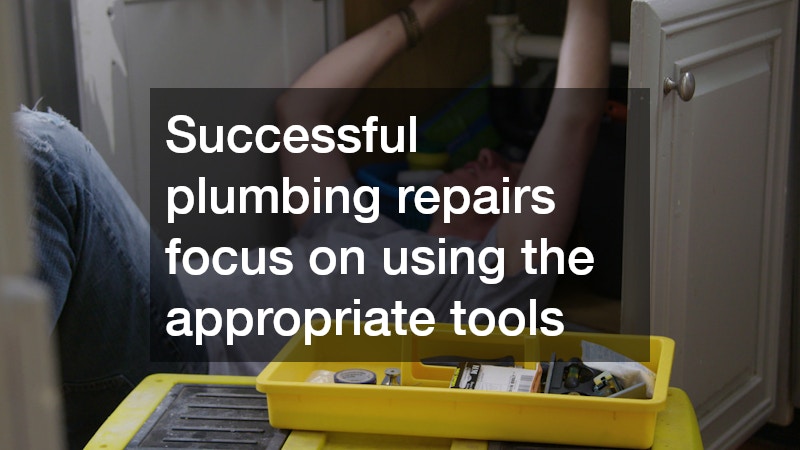
One of the crucial determinants of successful plumbing repairs focuses on using the appropriate tools. A simple repair can quickly turn into a nightmare without the proper wrench size or a suitable pipe cutter, for instance. Having an adjustable wrench, pliers, a tape measure, a utility knife, and a plumbing snake, among others, in your toolkit can make your work more efficient. The right tools not only make the job much smoother but also significantly lower the risk of damage to the plumbing fixtures. For those considering undertaking plumbing repairs in Roswell, GA, understanding and investing in these basic tools could be the difference between a successful fix and a costly mistake.
Professionals often underline the notion that patience and the right tools are essential ingredients for DIY plumbing success. With these, even seemingly complicated jobs can be handled with decided ease, much to the relief of do-it-yourself home renovators. Before embarking on this journey, it’s worth seeking advice from hardware store professionals regarding tools best suited to your specific repair needs. Such specific insights can be invaluable in equipping you with the necessary and effective implements promptly. More significantly, with well-matched tools, there’s a greater chance of executing the job correctly the first time, preserving both time and resources.
Knowing When to Call in the Professionals
While many plumbing issues can be managed with a bit of research and patience, it’s crucial to know when a task exceeds your capabilities. Large-scale plumbing repairs or complex jobs that involve work such as repiping or dealing with septic systems should be left to professionals. Professional plumbers have the experience and skillset to tackle intricate problems, ensuring quality and long-lasting repairs. Attempting to fix such issues without the necessary expertise might lead to more damages which could culminate in increased costs and prolonged inconvenience. Hence, understanding the boundary between amateur fixes and professional intervention is imperative for optimum outcomes.
For residents facing severe plumbing issues in Roswell, GA, tapping into local expertise and professional plumbing services might prove prudent. Local professionals are often more acquainted with the typical construction styles and common problems specific to the area’s plumbing systems. Moreover, local service providers can often arrive at your property quicker, mitigating the potential for sustained water damage in emergencies. It’s judicious to research and choose a reputable, skilled, and licensed plumber to ensure a job well done. Recognizing when a problem is beyond DIY capabilities is critical in ensuring efficiency, preserving your property’s safety, and maintaining its integral systems effectively.
Safety Precautions and Legal Considerations
Safety always stands paramount in any DIY activity, and plumbing repairs are no exception. Working with water and pipes can sometimes pose significant risks, including exposure to waterborne pathogens or injury from tools and equipment. Additionally, the potential for sudden flooding or electrical shocks is a concern when in proximity to electrical outlets or wiring. It’s essential to equip yourself with safety gear, including goggles, gloves, and proper clothing, to protect against such hazards. Having a basic understanding of safety procedures ensures you can swiftly and appropriately respond to any incidents that might occur.
Apart from compliance, understanding the consequences of unregulated work can guide decision-making during repairs. Insurance considerations come into play, as unpermitted repairs could lead coverage to be voided in eventualities of damage claims. Homeowner warranties might also be compromised if repairs aren’t professionally verified or executed incorrectly. Being fully informed and taking the necessary preventive steps to align with safety and legal parameters will pave the way for successful home plumbing repairs. Carefully weighing these factors ensures an approach to plumbing repairs that recognizes both the potential risks and rewards involved.