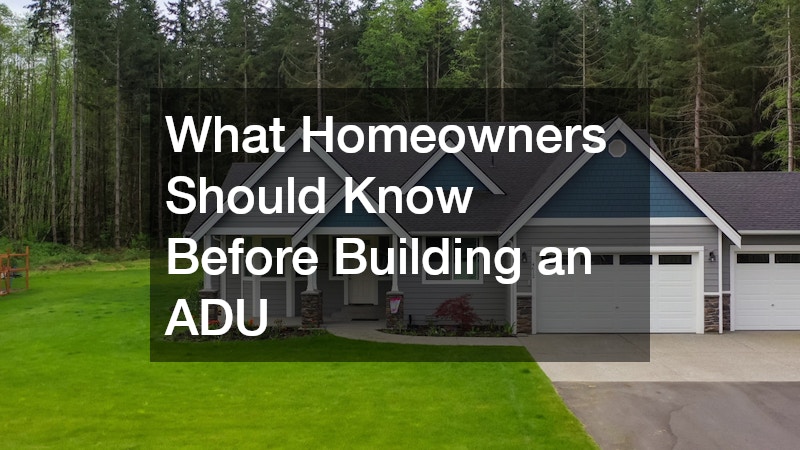

Adding an accessory dwelling unit can completely change the way a property functions. For some homeowners, it creates space for aging parents or adult children. Others use it as a private office, guest suite, or rental property that generates extra income. Whatever the reason, building a second living space is a major investment that requires careful planning.
Many homeowners focus first on finishes and layouts, only to discover unexpected zoning restrictions, utility upgrades, or budget issues later. The most successful projects start with a clear plan, realistic expectations, and a long-term perspective.
A thoughtfully designed ADU should not only look good when construction ends but also remain practical, durable, and efficient for years to come.
Creating a Practical Budget and Clear Goals

Before hiring contractors or reviewing floor plans, homeowners should decide exactly how the space will be used. An ADU designed for short-term rental income may require different features than one built for family members or long-term guests.
The purpose of the space influences everything from layout choices to utility planning.
For example, a homeowner creating a rental unit may prioritize privacy, durable finishes, and separate entrances. Someone building a living space for parents may focus more on accessibility and convenience.
A realistic adu construction budget should include more than labor and materials. Homeowners often forget about:
- Permit fees
- Site preparation
- Utility upgrades
- Drainage improvements
- Landscaping
- Inspection costs
Unexpected expenses are common during residential construction, especially on older properties. A hidden plumbing issue or electrical upgrade can quickly increase costs.
The quality of building material selections also affects long-term expenses. Durable siding, flooring, insulation, and windows may cost more upfront, but they usually reduce maintenance and replacement costs later.
It also helps to think beyond immediate needs. A home office today may become a rental space or guest suite in the future. Flexible planning allows the property to adapt over time.
Another important factor is understanding how the new structure may affect property taxes and insurance costs. Some homeowners are surprised to learn that adding living space can increase annual expenses beyond utility bills alone. Speaking with insurance providers and local tax professionals before construction begins can help avoid financial surprises later.
Financing also deserves careful consideration. While some homeowners pay for projects with savings, others use home equity loans or renovation financing programs. Monthly payment expectations should fit comfortably within long-term household budgets rather than relying entirely on projected rental income.
Careful financial planning creates more flexibility during construction. When unexpected challenges arise — and they often do — homeowners with realistic budgets can make smarter decisions without feeling pressured to cut corners on important structural or safety upgrades.
Understanding Local Requirements Early
One of the biggest delays in residential construction happens when homeowners overlook zoning and permit requirements. Every city has different regulations governing lot coverage, parking, building height, setbacks, and utility connections.
Some municipalities encourage secondary dwellings, while others have strict limitations on design and placement.
Working with experienced local remodeling contractors can simplify the process because they are often familiar with local codes and approval timelines. Contractors who regularly work in the area may also understand which issues tend to slow projects down.
Before construction begins, homeowners should research:
- Property setback rules
- Maximum square footage limits
- Parking requirements
- Utility connection regulations
- Permit and inspection timelines
Some cities require separate utility meters for secondary dwellings, while others allow systems to remain connected to the main residence.
Parking rules also vary significantly. A detached unit in one neighborhood may require additional off-street parking spaces, while another property may be exempt due to public transportation access.
Ignoring these details early can create expensive redesigns later. Smart homeowners treat zoning research as part of the planning process instead of an obstacle.
In some neighborhoods, homeowner’s associations may also impose additional restrictions related to exterior appearance, fencing, landscaping, or parking. Even when city regulations allow a project, HOA rules can still affect design decisions. Reviewing all governing documents before finalizing plans can prevent frustrating disputes later in the process.
Choosing Materials That Last Longer
A smaller structure still faces the same weather exposure and wear as a primary home. That is why durability should play a major role in material selection.
Many homeowners regret prioritizing appearance over long-term performance. Cheap materials may save money initially, but they often create higher maintenance costs later.
When comparing building material options, homeowners should consider:
- Weather resistance
- Lifespan
- Maintenance needs
- Energy efficiency
- Warranty coverage
Roofing products deserve particular attention because water damage can affect the entire structure. Quality roofing supplies help protect against leaks, wind damage, and long-term deterioration.
Interior products matter too. Scratch-resistant flooring, washable paint finishes, and durable countertops are especially useful in rental-oriented spaces where heavy use is expected.
Timeless design choices also tend to age better visually than trend-driven finishes. Neutral colors and simple materials usually appeal to more future occupants and buyers.
The best construction investments are often the ones homeowners barely notice because they continue performing well year after year.
Climate should also influence material selection. Homes in coastal regions may require corrosion-resistant hardware and moisture-resistant finishes, while properties in colder climates benefit from enhanced insulation and freeze-resistant plumbing components. Choosing products suited to local weather conditions helps improve long-term durability while reducing seasonal maintenance problems.
Protecting the Property From Water Damage
Water is one of the most common causes of long-term structural damage. Even small leaks or drainage problems can lead to mold, wood rot, and foundation issues over time.
That is why roofing and drainage systems deserve careful attention during construction planning.
Many roof repair problems begin with small installation mistakes that go unnoticed for months. Poor flashing, clogged gutters, or inadequate ventilation can slowly allow moisture into the structure.
Homeowners can reduce future risks by focusing on prevention early. Important protective measures include:
- Installing proper roof ventilation
- Extending downspouts away from foundations
- Improving yard drainage
- Using waterproof underlayment beneath roofing materials
- Scheduling regular inspections after severe weather
Drainage around the structure matters just as much as the roof itself. Water should always flow away from the building rather than pooling near foundations or walkways.
A well-designed exterior protection system may not be visually exciting, but it helps preserve the entire investment.
Some homeowners also choose to install rain chains, French drains, or permeable landscaping features to better manage runoff during heavy storms. These additions may seem minor at first, but they can significantly reduce erosion and standing water problems over time.
Comparing Prefabricated and Custom-Built Designs
Homeowners today have more construction options than ever before. Some choose traditional site-built structures, while others prefer prefabricated approaches that may reduce construction timelines.
For some projects, modular homes offer faster installation and more predictable construction schedules because many components are built in factory-controlled environments.
However, prefabricated construction is not ideal for every property. Certain lots may have access limitations that make transporting large sections difficult. Some homeowners also want more personalized layouts than factory-built systems typically allow.
Others explore metal building designs for workshops, hybrid guest spaces, or utility structures. Modern metal systems can provide durability and relatively low maintenance in some applications.
Custom-built structures usually provide greater flexibility for unusual lot shapes or highly personalized designs. They may also blend more naturally with older homes.
Each approach involves tradeoffs. Faster construction timelines may limit customization, while fully customized projects often increase labor costs.
The best choice depends on the property, budget, and long-term goals.
Homeowners should also consider resale value when comparing building methods. Buyers may respond differently to prefabricated structures depending on the local housing market and the quality of the final design. A well-integrated structure that complements the existing home often creates stronger long-term appeal.
Improving Efficiency Before Utility Costs Rise
Energy efficiency is easier and less expensive to address during construction than after the project is complete. Small planning decisions can significantly affect utility costs for years.
Window placement, insulation quality, and ventilation design all influence indoor comfort and energy consumption.
Many homeowners now consider residential solar panels as part of broader energy-saving strategies. While solar systems require upfront investment, they may reduce long-term electricity costs and improve overall efficiency.
Still, solar works best when combined with other smart design decisions, including:
- High-efficiency HVAC systems
- LED lighting
- Smart thermostats
- Energy-efficient windows
- Proper insulation
Natural light and airflow can also reduce heating and cooling demands. For example, windows positioned for cross-ventilation may improve comfort during warmer months without increasing energy use.
A well-designed space does not rely on a single efficiency upgrade. Instead, it combines many smaller choices that work together over time.
Some homeowners also install tankless water heaters or smart monitoring systems that track energy consumption throughout the property. These technologies can help identify inefficiencies early while reducing monthly operating costs.
Designing Outdoor Areas That Feel Comfortable
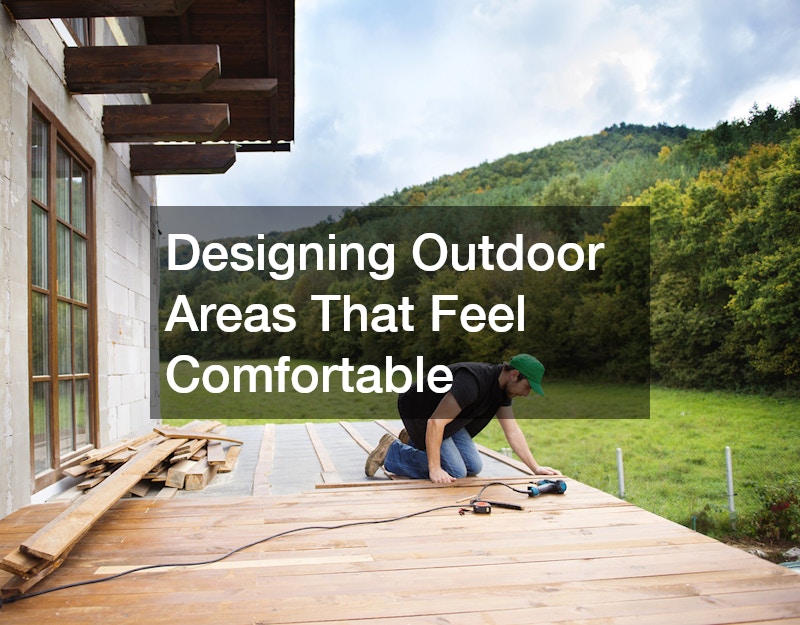
An ADU affects the entire property, not just the new structure itself. Outdoor planning strongly influences privacy, comfort, and usability.
Without thoughtful design, multiple households sharing one lot can quickly feel crowded.
Landscaping often solves many of these issues. Strategic fencing, lighting, walkways, and greenery can create separation between living areas without making the property feel closed off.
Some homeowners also work with a pool company when redesigning backyard layouts. Pools, patios, and entertainment areas can improve property value and enjoyment, but they require careful placement to avoid privacy and noise concerns.
For example, positioning a detached unit directly beside a busy entertainment area may create future conflicts for guests or tenants.
Outdoor lighting is equally important. Pathway lights improve safety while helping the property feel more welcoming at night.
Rather than treating landscaping as an afterthought, homeowners should view it as part of the overall living experience.
Simple additions such as shaded seating areas, privacy screens, or small garden spaces can make even compact properties feel more functional and inviting.
Hiring the Right Construction Team
The contractor selection process often determines whether a project feels manageable or stressful. Even well-planned projects can become difficult when communication problems or unclear expectations arise.
Finding qualified local remodeling contractors requires more than reading online reviews. Homeowners should ask detailed questions about licensing, insurance, project timelines, and experience with similar projects.
A contractor experienced with ADU construction projects may better understand zoning requirements, utility coordination, and detached structure logistics.
Before signing contracts, homeowners should request:
- Written estimates
- Payment schedules
- Estimated timelines
- Proof of insurance
- References from recent clients
Communication style also matters. Contractors who struggle to answer questions clearly during the bidding phase may find it harder to work with them once construction begins.
The lowest bid is not always the best value. Poor workmanship, scheduling delays, and repeated change orders can quickly erase initial savings.
Successful construction projects usually rely on transparency, realistic expectations, and consistent communication.
Homeowners should also clarify who will manage subcontractors, inspections, and material deliveries during the project. Clear responsibility helps prevent confusion once construction becomes busy.
Adding Flexible Space Beyond the Living Area
Some homeowners benefit from building additional structures that support storage, hobbies, or workshop needs alongside the main dwelling space.
For example, working with a pole barn builder may provide useful solutions for storing equipment, tools, or recreational vehicles. These structures can also serve as flexible workshop spaces that evolve over time.
A modern metal building may function as a garage, hobby area, gym, or utility structure while requiring relatively low maintenance.
Thinking beyond immediate needs creates more long-term flexibility. A storage structure built today may eventually become a workspace or a recreational space later.
Functional additions also help keep living areas organized and uncluttered. Even small utility spaces can improve how efficiently the property operates overall.
Homeowners with larger lots sometimes create multipurpose outdoor areas that combine storage, workspace, and recreational uses in a single structure. This approach can maximize usable square footage without overcrowding the property.
Planning for Long-Term Maintenance
Construction completion is not the end of property care. Every structure requires ongoing maintenance to remain safe, efficient, and visually appealing.
Homeowners who plan for maintenance early often avoid expensive repairs later.
Exterior inspections should happen regularly, especially after storms or extreme weather. Small roof repair issues can quickly become larger structural problems when ignored.
Keeping extra roofing supplies available for future maintenance can also help simplify repairs when matching materials becomes harder to find years later.
A simple maintenance routine may include:
- Cleaning gutters
- Inspecting roofing and flashing
- Servicing HVAC systems
- Checking drainage areas
- Replacing exterior sealants as needed
Landscaping maintenance matters as well. Overgrown roots or poorly directed irrigation systems can slowly damage walkways and foundations over time.
Consistent upkeep helps protect both the structure and the long-term value of the property.
Homeowners should also keep records of inspections, repairs, warranties, and maintenance schedules. Organized documentation makes future repairs easier and can even improve buyer confidence if the property is sold later.
Building With Long-Term Value in Mind
An accessory dwelling unit can become one of the most useful additions to a property when planned carefully. The most successful projects balance functionality, efficiency, durability, and flexibility instead of focusing only on short-term trends.
Every decision — from budgeting and material selection to contractor hiring and energy planning — affects how well the space performs in the future.
Whether the goal is creating rental income, housing family members, or simply adding flexibility to the property, thoughtful preparation helps homeowners avoid costly mistakes while creating a space that remains valuable for years to come.