

A safe home is built through small, steady habits that keep everyday systems working properly. Many expensive and stressful problems begin quietly: a slow drip under a cabinet, a faint stain on the ceiling, a vent with weak airflow, or a damp patch near the foundation that never seems to dry.
The challenge is that most homeowners are busy. It is easy to ignore minor warning signs when the house still feels livable. But small issues can become safety concerns when they affect air quality, electrical systems, structural materials, water flow, or indoor comfort.
Smart maintenance is not about worrying over every creak and crack. It is about knowing what to watch, when to act, and which repairs are too important to postpone.
Checking Water Lines Before Small Leaks Become Major Damage
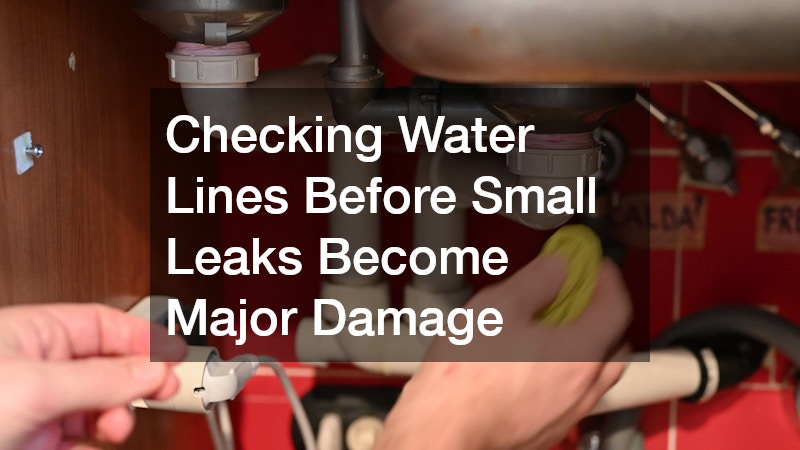
Water has a way of finding the weakest point in a home. What starts as a few drops under a sink can eventually damage flooring, cabinets, drywall, insulation, and framing. In hidden spaces, moisture can also create mold before anyone realizes there is a problem.
Start with a careful walk through rooms where water is used most often. Open the cabinet below each sink and look at supply lines, drain connections, and the cabinet floor. A dark stain, soft wood, musty odor, or mineral buildup around fittings can signal a leak. Around toilets, look for movement at the base, discoloration near the floor, or a smell that does not go away after cleaning.
Water heaters deserve extra attention because they often sit out of sight. Rust, moisture around the base, or inconsistent hot water can be an early warning sign. Homeowners should also know where the main water shutoff valve is located. In an emergency, being able to stop water quickly can prevent major damage.
Some simple issues can be handled by homeowners, but repeated leaks should not be brushed off. A residential plumber can help identify whether the problem is isolated or part of a larger issue, such as pipe corrosion, excess pressure, or failing fixtures.
Keeping Outdoor Water Away From the Wrong Places
Outdoor water management is easy to overlook because it feels separate from indoor safety. In reality, what happens outside can affect the foundation, walkways, siding, basement, crawl space, and indoor air quality.
Walk the property after watering or heavy rain. Look for puddles that linger, muddy sections near the foundation, or water running toward the house instead of away from it. A slick walkway near an entry door may seem minor until someone slips while carrying groceries or walking in at night.
Irrigation systems should be checked while they are running. Watch each zone long enough to see whether sprinkler heads are spraying the lawn instead of siding, windows, fences, or paved areas. A broken head can flood one area while leaving another dry, and overspray can send water into places that were never meant to handle repeated moisture.
Seasonal adjustments matter as well. Watering needs change throughout the year, and a schedule that works in hot weather may be excessive during cooler months. In colder climates, outdoor lines should be prepared before freezing temperatures arrive.
Scheduling Deeper Checks Before Drain Problems Escalate
Most drain problems do not become emergencies overnight. A bathroom sink drains a little slower. A toilet gurgles after the shower runs. The kitchen sink smells unpleasant even after cleaning. These signs are easy to ignore, but repeated drainage issues can point to buildup, damaged lines, root intrusion, or deeper blockages.
Pay attention to patterns. One slow drain may be a local clog. Several slow drains at the same time may suggest a bigger problem. If water backs up into a tub when another fixture is used, or if there is a sewage odor near drains or outside the home, it is time to act quickly.
Professional plumbing inspections can be especially useful in older homes, recently purchased homes, or properties with mature trees. A camera inspection may reveal problems that are impossible to see from the surface.
A sewer cleaning service may also be needed when recurring blockages suggest normal plunging or snaking is not enough. Wastewater backups can expose a household to contaminated water, odors, and cleanup risks. Chemical drain cleaners may seem convenient, but repeated use can damage certain pipes and rarely fixes the underlying cause.
Preparing Cooling Equipment Before Extreme Heat Arrives
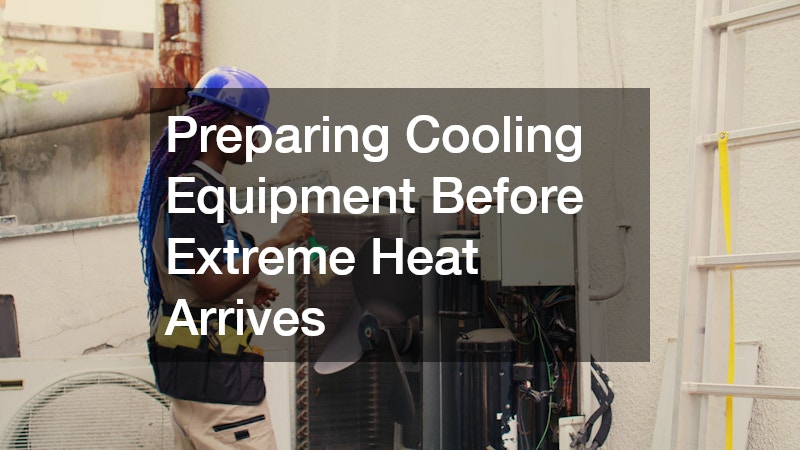
Cooling systems are often ignored until the first truly hot day of the year. Then, when the house will not cool properly, every appointment becomes urgent. A better approach is to test the system before peak heat arrives.
Start with the basics. Replace or clean the air filter according to the manufacturer’s recommendation. Walk through the home and make sure vents are open and not blocked by furniture, rugs, or curtains. Outside, clear leaves, grass clippings, and debris from around the unit so air can move freely.
The system may also give clues that it needs attention. Weak airflow, warm air from the vents, unusual grinding or buzzing sounds, frequent cycling, or moisture near the indoor unit should not be ignored. These symptoms may call for air conditioner contractors who can evaluate the equipment safely.
Timely HVAC repair can also support household safety during extreme heat. For young children, older adults, pets, or anyone sensitive to high temperatures, a cooling failure can become more than an inconvenience. A well-maintained system helps keep the home comfortable and reduces the chance of a stressful breakdown.
Inspecting the Roof Without Taking Unnecessary Risks
A roof can look fine from the ground while still hiding damage. Missing shingles, cracked flashing, worn sealant, or storm damage may only become obvious after water has already entered the attic or ceiling.
Homeowners do not need to climb onto the roof for a basic check. A safer method is to inspect from the ground with binoculars or use photos taken from a safe distance. Look for shingles that are curled, lifted, missing, or darker than surrounding areas. Check roof valleys, edges, vents, and chimney flashing. Indoors, look for ceiling stains, peeling paint, damp attic insulation, or sunlight entering through roof boards.
After a strong storm, do a quick exterior review. Wind can loosen materials, hail can leave impact marks, and falling branches can damage shingles or gutters. If pieces of roofing material appear in the yard or granules collect near downspouts, the roof may need closer inspection.
Roofers should be contacted when there are visible leaks, suspected storm damage, sagging areas, or concerns about safely accessing the roof. Delaying repairs can become costly when moisture spreads into hidden areas.
Maintaining Warmth Safely Before Cold Weather
Heating equipment often sits unused for months, then suddenly becomes essential. That first cold night is not the ideal time to discover that the system smells strange, cycles constantly, or barely warms the house.
Before using the system heavily, replace the filter if needed and make sure vents and returns are not blocked. Keep stored boxes, cleaning supplies, laundry, and other items away from furnaces or heating equipment. A crowded utility space can restrict airflow and create unnecessary fire risks.
There are several warning signs that heating repairs may be needed. A brief dusty smell when the system first starts may be normal, but persistent burning odors, loud banging, uneven heat, frequent cycling, or a sudden rise in energy bills should be checked. Fuel-burning equipment also makes carbon monoxide safety especially important, so detectors should be placed near sleeping areas and tested regularly.
It is wise to test the system before temperatures drop sharply. Turn it on early in the season and let it run long enough to confirm that warm air reaches each room.
Directing Rainwater Away From Vulnerable Areas
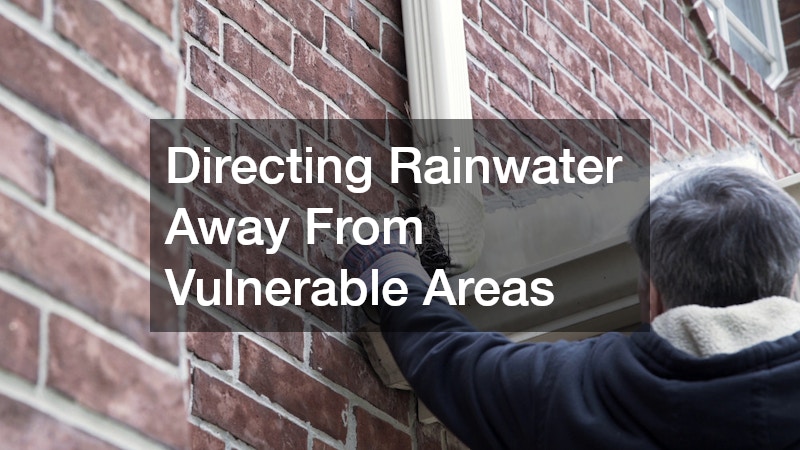
Gutters move rainwater away from the roofline, siding, foundation, basement, and landscaping. When they are clogged, loose, or poorly directed, water can end up exactly where it causes the most trouble.
A visual check during rain can be useful. Water should flow through the gutters and out the downspouts, not spill over the sides. Overflow may mean leaves, shingle grit, or debris are blocking the channel. Sagging sections can allow standing water to collect, while disconnected downspouts may dump water too close to the foundation.
Homeowners should also notice what happens at ground level. If water pools near basement windows, crawl space vents, or foundation walls, the drainage path may need improvement. Downspout extensions can help carry water farther away.
A gutter contractor may be helpful when the system is damaged, difficult to clean, undersized, or poorly routed. Repairs or improvements can reduce the risk of wood rot, basement moisture, ice buildup, and slippery walkways.
Servicing Everyday Machines Before They Become Hazards
Appliances are so familiar that they can fade into the background. The dryer runs, the dishwasher hums, the refrigerator dispenses water, and the washing machine shakes a little during the spin cycle. But everyday machines can create fire, water, and electrical risks when they are neglected.
Dryers are a common example. Lint buildup does not stop at the lint trap. It can collect in the vent line, reducing airflow and increasing heat. If clothes take longer than usual to dry, the laundry room feels unusually hot, or there is a burning smell, the dryer should be checked before it is used again.
Water-connected appliances deserve the same care. Dishwashers can leak beneath cabinets before water appears on the floor. Refrigerator water lines can crack or loosen. Washing machine hoses can fail suddenly, especially if they are old rubber hoses.
Appliance repair services are the safer choice when a machine sparks, trips a breaker, leaks repeatedly, smells hot, or makes a new grinding or banging sound. Continuing to use a malfunctioning appliance can turn a repairable issue into a dangerous one.
Building a Monthly Walkthrough That Actually Happens
The best maintenance routine is the one a homeowner will actually follow. A complicated checklist may look impressive, but it is easy to abandon. A monthly walkthrough should be simple enough to complete in less than an hour and consistent enough to catch changes before they become emergencies.
Choose a recurring day, such as the first Saturday of the month. Start inside and move room by room. Test smoke alarms and carbon monoxide detectors. Look under sinks. Check for loose handrails, worn stair treads, damaged outlets, flickering lights, and doors or windows that no longer close properly.
Then walk outside. Look at the roofline from the ground, check drainage areas, inspect walkways for trip hazards, and make sure exterior lighting works. Pay attention to anything new: a crack that has widened, a stain that has darkened, or a sound that was not there before.
A maintenance log can make this habit more useful. A notebook, spreadsheet, or notes app can track dates, photos, repairs, and observations. Over time, the log becomes a record of the home’s condition and helps guide smarter decisions.
Knowing When to Step Back From Risky Repairs
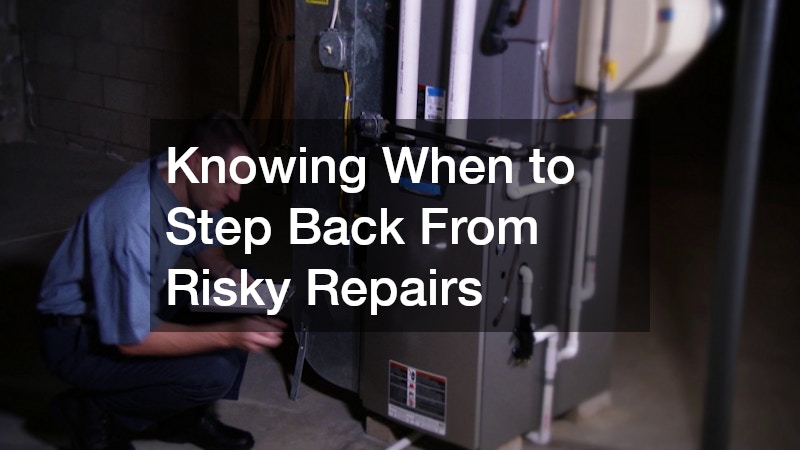
Many homeowners take pride in handling small repairs themselves, and there is nothing wrong with that. Replacing a filter, tightening a loose screw, cleaning a vent cover, or adding a downspout extension can be practical and satisfying. But smart maintenance also means knowing when a repair is too risky for a do-it-yourself approach.
Ask what could happen if the repair goes wrong. Could it cause flooding? Could it create a fire risk? Could it expose someone to gas, sewage, contaminated water, or electrical shock? Could the work require climbing high enough that a fall would be serious? If the answer is yes, it is usually better to bring in trained help.
Another factor is whether the problem keeps returning. A one-time clog or loose handle may be simple. A recurring leak, repeated breaker trip, persistent odor, or ongoing moisture problem usually points to a deeper cause.
A safer home does not require perfection. It requires awareness, consistency, and timely action. Start with one small routine this month. Walk through the home slowly. Look under sinks, listen to major systems, check detectors, inspect outdoor drainage, and write down anything that seems different.
Over time, these habits make a difference. They help prevent emergencies, reduce repair costs, and create a home that feels more dependable in every season. Smart maintenance is not just about protecting the property. It is about protecting the comfort, health, and peace of mind of everyone who lives there.