

In a competitive real estate market, properties listed in “as-is” condition or needing substantial repairs present a compelling opportunity. For buyers seeking a way to build immediate equity, purchase in desirable neighborhoods at a lower entry price, or customize a living space from the ground up, a fixer-upper is an attractive project.
However, the line between a profitable home improvement project and a disastrous financial money pit is remarkably thin. Unseen foundation settling, outdated electrical wiring, failing roofs, or subterranean pest damage can quickly drain renovation budgets and leave buyers stranded with uninhabitable living conditions.
Successfully purchasing a home that requires repairs requires moving past emotional design visions and conducting a cold, disciplined analysis of physical building systems, renovation costs, financing options, and contractor partnerships. This comprehensive guide provides an in-depth framework to help you navigate due diligence, evaluate structural integrity, budget accurately, and turn a distressed property into a valuable asset.
Inspecting Structural Envelopes, Roof Integrity, and Weather Defense
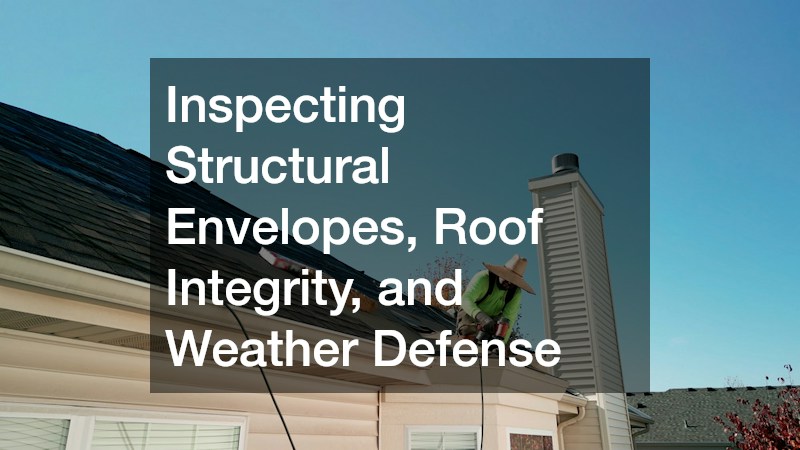
The building envelope—comprising the roof, exterior siding, windows, and foundation—serves as your home’s primary defense against water intrusion, wind damage, and structural decay. When evaluating a house that needs repairs, auditing the building envelope is your absolute first priority. A home with beautiful interior finishes means nothing if a failing roof allows water to rot ceiling joists and foster toxic mold behind new drywall.
Start your evaluation with the roof structure. From the ground, use binoculars to inspect rooflines for visible sagging, missing or cupped shingles, rusted metal flashing along valleys, and deteriorated masonry around chimney stacks. Step inside the attic space during daylight hours to check for water staining along rafter bays, delaminated plywood decking, or daylight shining through structural joints.
A failing roof is one of the single largest immediate capital expenses a home buyer will face. Engaging licensed, independent roofers during your official home inspection period ensures you receive a thorough assessment of remaining roof life, structural deck conditions, and ventilation adequacy.
If minor leaks are isolated to flashings or localized shingle wear, scheduling targeted roof repairs can buy time while you focus capital on urgent interior safety issues. However, if the roof has exceeded its 20-year lifespan or features multiple shingle layers, securing itemized replacement quotes from professional roofing services gives you solid documentation to negotiate price credits or seller concessions before closing.
- Check rooflines for structural sagging: Inspect ridge beams and eaves for dipping, which indicates overloaded rafters or rot.
- Audit attic spaces for moisture damage: Look for water stains, mold growth, or soft plywood decking under rafter bays.
- Inspect flashing around roof penetrations: Ensure step flashing around chimneys, skylights, and plumbing vents is intact and rust-free.
Evaluating Electrical Systems, Plumbing Networks, and HVAC Efficiency
Once the building envelope is verified, shift your attention to core mechanical, electrical, and plumbing (MEP) infrastructure. These heavy-duty functional systems keep a home safe, warm, and sanitary. Replacing hidden mechanical infrastructure is rarely exciting because it doesn’t offer dramatic cosmetic changes, but failing to budget for MEP repairs can lead to severe safety hazards and sudden financial shocks.
Electrical systems in older homes often fail to meet modern power demands. Inspect the main electrical panel to verify service capacity; older 60-amp or 100-amp panels are insufficient for modern appliances, HVAC units, and home offices, requiring an upgrade to a 200-amp panel. Look for outdated knob-and-tube wiring, ungrounded two-prong outlets, or unsafe aluminum branch wiring installed in the 1960s and 1970s.
Updating an obsolete electrical system is a critical safety task that should be tackled before closing open walls. Hiring a master electrician to plan modern electrical installations ensures your panel, branch circuits, and GFCI outlets meet current building codes and safely handle modern electrical loads.
Plumbing networks require equal scrutiny. Check exposed basement or crawlspace pipes for galvanized steel or polybutylene piping—both of which are prone to severe internal corrosion, reduced water pressure, and sudden pipe bursts.
Additionally, evaluate the age, brand, and operational efficiency of heating and cooling systems. If the home relies on an outdated central air unit or aging oil furnace exceeding its 15-to-20-year operational life, budgeting for an immediate heat pump replacement provides energy-efficient, dual-purpose heating and cooling while lowering monthly utility bills.
- Audit main electrical panel capacity: Upgrade undersized 60-amp or 100-amp fuse boxes to modern 200-amp circuit breaker panels.
- Identify hazardous legacy wiring: Inspect branch wiring for knob-and-tube, cloth insulation, or ungrounded two-wire systems.
- Check plumbing pipe composition: Replace corroded galvanized steel or polybutylene pipes with modern PEX or copper lines.
Uncovering Hidden Pest Infestations, Environmental Hazards, and Foundation Defects

Some of the most dangerous and expensive house repairs are invisible during a brief walkthrough. Subterranean pests, environmental hazards, and foundation instability can quietly destroy a home’s structural integrity, creating financial burdens for unprepared buyers.
Wood-destroying organisms—including subterranean termites, carpenter ants, and powderpost beetles—can hollow out floor joists, sill plates, and support posts from the inside out. A standard general home inspection may miss subtle signs of pest activity hidden behind finished walls or beneath insulation.
Scheduling a specialized pest inspection provides a detailed evaluation of crawlspaces, mudsills, and perimeter framing. Partnering with a licensed termite control company allows you to treat active colonies, repair damaged structural timbers, and secure a transferable pest warranty to protect your property against future infestations.
Older homes also present environmental material hazards. Homes constructed before 1978 frequently contain lead-based paint on door frames, window sills, and exterior trim, as well as asbestos insulation around basement heating pipes or in floor tiles. If your renovation plans involve tearing down walls or pulling up old flooring, factor professional environmental abatement testing and safe disposal into your budget.
Foundation defects require careful structural evaluation. While minor hairline settlement cracks are common in aging homes, wide horizontal foundation cracks, bowing basement walls, or uneven floor slopes indicate severe structural soil pressure or settling. Fixing foundation failures requires expensive hydraulic piering, wall anchoring, or exterior waterproofing systems that must be addressed before executing any interior cosmetic work.
- Inspect floor joists for pest hollows: Probe wooden sill plates and support beams for subterranean termite or beetle damage.
- Secure transferable pest warranties: Treat active pest colonies and establish long-term soil barriers around foundations.
- Test for legacy lead and asbestos: Screen older homes for environmental hazards before starting invasive demolition.
Assessing Exterior Flatwork, Driveways, and Site Drainage
A home’s surrounding yard, driveway, and site grading play a direct role in maintaining foundation stability and keeping basements dry. Neglecting exterior site drainage and flatwork during initial evaluations can lead to recurring basement flooding, soil erosion, and severe concrete settling.
Examine the property’s driveway, walkways, and patio slabs. Sunken concrete pads, deep asphalt potholes, and alligator cracking are not just unsightly; they create trip hazards and allow rainwater to pool against foundation walls. Water pooling along a foundation freezes and expands in winter, exerting hydrostatic pressure that cracks concrete basement walls.
Contracting a specialized paving service to grade, seal-coat, or repave worn driveways guarantees that heavy rain Runoff drains safely away from your home rather than toward your basement walls.
Inspect soil grading around the home’s perimeter. The ground should slope downward away from foundation walls at a minimum 5% grade (a six-inch drop over the first ten feet) to prevent water from collecting around footings.
Examine gutter and downspout systems. Ensure seamless gutters are free of rust or sagging joints and confirm that downspout extension lines discharge rainwater at least five to ten feet away from foundation walls. Installing underground PVC drain pipes or bubbler pots directs heavy roof runoff safely toward municipal storm drains or rain gardens, keeping your basement dry year-round.
- Audit driveway and flatwork slopes: Ensure paved driveways and walkways slope away from building foundations.
- Repair sunken concrete and asphalt: Resurface worn driveways to eliminate trip hazards and prevent water pooling.
- Verify perimeter soil slope grading: Maintain a clear downward slope around foundation walls to shed rainwater.
Differentiating Major Structural Repairs from Cosmetic Touch-ups

One of the most effective skills a fixer-upper buyer can develop is distinguishing between expensive, high-risk structural defects and simple, low-cost cosmetic flaws. Outdated wallpaper, ugly shag carpet, brass light fixtures, and bold paint choices can turn off average buyers, driving down the purchase price. However, for a savvy buyer, these superficial issues represent easy sweat-equity opportunities.
Establish a strict renovation hierarchy: allocate your capital first to “invisible” safety, structural, and mechanical necessities—roofing, plumbing, electrical, foundation, and HVAC—before spending money on kitchen cabinets, luxury flooring, or bathroom tile.
Cosmetic flaws are inexpensive to fix if the underlying materials are sound. For instance, finding paint overspray, dried drips, or graffiti on original glass, brickwork, or metal hardware doesn’t require replacing intact building elements. Utilizing specialized, safe spray paint removal products allows you to strip away unsightly paint layer buildup and restore original architectural details for a fraction of replacement costs.
When planning interior renovations, work within your home’s existing structural footprint whenever possible. Moving load-bearing walls, re-routing main plumbing stacks, or relocating gas lines adds thousands of dollars in engineering and trade labor costs. Refacing existing solid wood cabinets, refinishing original hardwood floors, and updating hardware yields high visual impact while keeping renovation budgets intact.
- Prioritize structural over cosmetic updates: Fix roofs, electrical panels, and plumbing before purchasing high-end interior finishes.
- Identify easy cosmetic equity wins: Look past ugly wallpaper, bold paint, and dated fixtures that scare off average buyers.
- Restore original architectural hardware: Clean overspray and old paint off original fixtures using targeted removal products instead of replacing them.
Navigating Renovation Loans, Insurance Policies, and Purchase Contingencies
Financing and insuring a home that needs major repairs requires a different approach than purchasing a move-in-ready property. Traditional mortgage lenders and standard homeowners insurance companies often reject properties with major open safety hazards, missing kitchens, or failing roofs.
To protect your financial interests, include robust contingency clauses in your purchase contract. Ensure your offer includes an inspection contingency, a specialized contractor estimate contingency, and a financing contingency. These legal protections allow you to cancel the contract and recover your earnest money deposit if professional inspections uncover unmanageable structural defects or if repair estimates exceed your budget limits.
Navigating home financing for a fixer-upper is simplified by utilizing specialized government and conventional renovation loans. Options like the FHA 203(k) loan or Fannie Mae HomeStyle Renovation loan allow home buyers to bundle both the purchase price and estimated renovation costs into a single, long-term, low-interest mortgage. These programs require detailed contractor estimates and official plan reviews before loan approval, providing an added layer of financial oversight.
Securing insurance coverage requires early planning. Standard homeowners insurance policies often decline coverage for homes with open structural repairs, active roof leaks, or knob-and-tube wiring. You may need to secure a specialized builder’s risk policy or vacant home policy during the active construction phase, transitioning to a standard policy once major repairs pass municipal inspection.
Before submitting repair credit requests to sellers, obtain official written quotes from a certified roofing service and licensed trade professionals. Presenting itemized, professional contractor bids supports your requests for purchase price reductions, escrow holdbacks, or seller-paid closing credits.
- Include strict purchase contract contingencies: Protect earnest money deposits with clear inspection, estimate, and financing clauses.
- Explore specialized renovation mortgage loans: Utilize FHA 203(k) or Fannie Mae HomeStyle loans to combine purchase and repair costs.
- Maintain a dedicated cash contingency reserve: Keep 15% to 20% of your total renovation budget in reserve for unexpected demolition surprises.
Turning a Fixer-Upper into Your Ideal Home
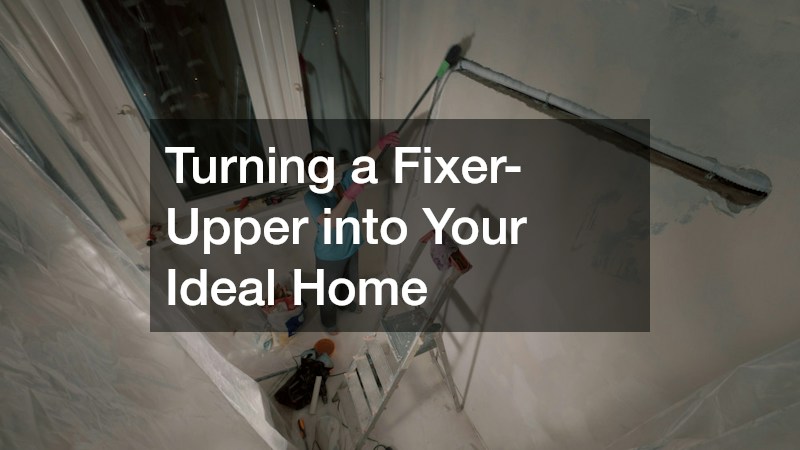
Purchasing a home that needs repairs is a challenging journey that requires technical diligence, financial discipline, and patience. While the prospect of tackling a major renovation can feel daunting, taking a systematic approach transforms a risky project into a rewarding investment.
By evaluating the building envelope first, auditing core electrical and plumbing systems, uncovering hidden environmental hazards, prioritizing structural safety over cosmetic finishes, and securing specialized renovation financing, you protect both your family’s safety and your financial equity.
Take the time to assemble a team of trusted professionals—including licensed home inspectors, structural engineers, trade contractors, and specialized mortgage lenders—to guide your decisions. With thorough planning and objective evaluation, you can confidently navigate the repair process and turn a distressed property into a safe, customized, and valuable home for years to come.