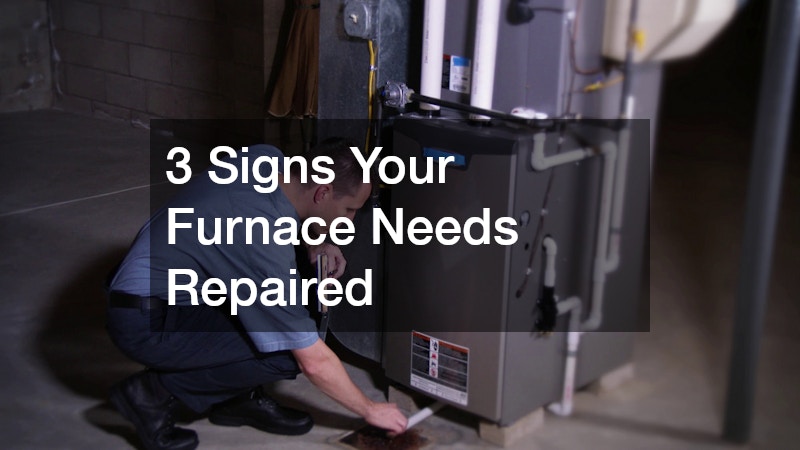

A dependable furnace keeps your home comfortable when temperatures drop. Most homeowners do not think about their heating system until something goes wrong. Small issues can quickly turn into expensive breakdowns if they are ignored. Knowing the warning signs early helps you protect your comfort, safety, and budget.
If you have noticed unusual behavior from your heating system, it may be time to consider professional furnace repair. Below are three clear signs your furnace needs to be repaired and why acting quickly matters.
Uneven Heating or Weak Airflow
One of the first signs of trouble is inconsistent heating throughout your home. You may notice that one room feels warm while another stays chilly. Sometimes the air coming from your vents feels weaker than usual. These changes often point to internal problems that should not be ignored.
Several issues can cause uneven heating:
-
Clogged or dirty air filters
-
Failing blower motor
-
Leaking or blocked ductwork
-
Thermostat malfunctions
When airflow becomes restricted, your furnace has to work harder to push warm air through the system. Over time, this extra strain can shorten the lifespan of key components. What starts as a minor airflow issue can turn into a major mechanical failure.
A struggling system also leads to higher energy bills. When your furnace runs longer to reach the desired temperature, it consumes more fuel or electricity. If your utility costs have increased without a clear explanation, your heating system could be the cause.
Scheduling a professional inspection at the first sign of uneven heating allows technicians to pinpoint the problem before it escalates. Prompt furnace repair can restore balanced airflow and improve overall efficiency.
Strange Noises Coming From the Unit
Furnaces are not silent, but they should operate with a steady, consistent sound. If you begin to hear banging, rattling, squealing, or grinding noises, something is likely wrong.
Different sounds often indicate specific problems:
-
Banging may signal delayed ignition or expanding ductwork
-
Rattling can point to loose components
-
Squealing often suggests belt or motor issues
-
Grinding may indicate worn bearings
Ignoring unusual noises can be risky. For example, delayed ignition can cause small gas build-ups that lead to loud booms when the furnace finally lights. Over time, this can damage the heat exchanger and other internal parts.
Loose or damaged components can also create safety concerns. A worn belt or failing motor may eventually cause the system to shut down completely. In some cases, neglected mechanical issues can even increase the risk of carbon monoxide leaks.
When you hear unfamiliar sounds, it is best not to wait. Turning off the system and contacting a professional for furnace repair can prevent further damage and reduce the risk of more expensive fixes later.
Frequent Cycling or Constant Running
Another major warning sign is short cycling or constant operation. A healthy furnace should turn on, run for a while, and then shut off once the desired temperature is reached. If it turns on and off rapidly or never seems to stop running, something is wrong.
Short cycling can be caused by:
-
Overheating due to restricted airflow
-
A malfunctioning thermostat
-
An oversized furnace
-
Flame sensor problems
When a furnace overheats, it may shut down prematurely as a safety measure. While this protects the system from immediate damage, repeated overheating stresses internal components. Over time, parts may wear out faster than expected.
On the other hand, a furnace that runs continuously without reaching the set temperature may have trouble producing adequate heat. This could point to burner issues, airflow restrictions, or even duct leaks.
Both scenarios increase energy consumption and put unnecessary strain on your heating system. If you notice frequent cycling or constant running, it is wise to schedule an evaluation. Early repairs help restore proper function and prevent long-term damage.
Additional Warning Signs to Watch For
While the three issues above are the most common, other subtle signs may also indicate your furnace needs to be repaired.
Pay attention to:
-
Unusual odors when the system runs
-
Excessive dust around vents
-
Yellow pilot light instead of blue
-
Difficulty starting the unit
-
Age of the system, especially if over 15 years old
A yellow pilot light can be particularly concerning, as it may signal incomplete combustion. In some cases, this could increase the risk of carbon monoxide production. Any suspected gas or combustion issue should be addressed immediately by a trained professional.
Older systems naturally become less efficient over time. If your furnace frequently needs service and struggles to keep up, repairs may extend its life, but replacement could eventually be more cost-effective.
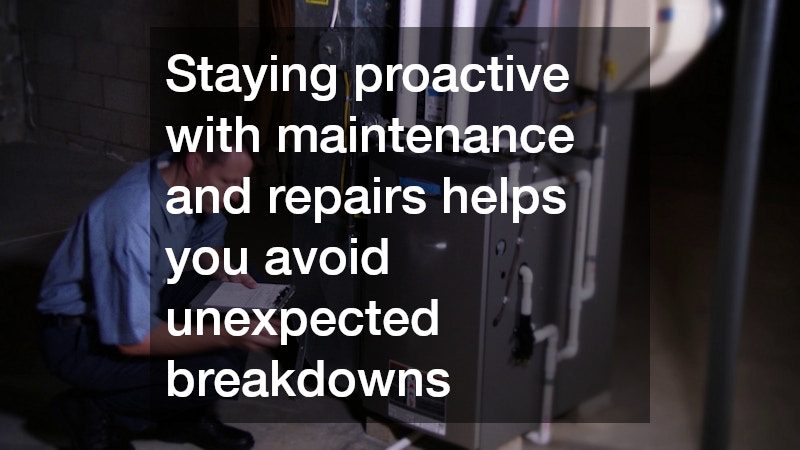
If you notice any of these warning signs, consider contacting a qualified HVAC professional to assess the situation. Prompt action ensures your system operates safely and efficiently throughout the season. Staying proactive with maintenance and repairs helps you avoid unexpected breakdowns and keeps your home warm when it matters most.