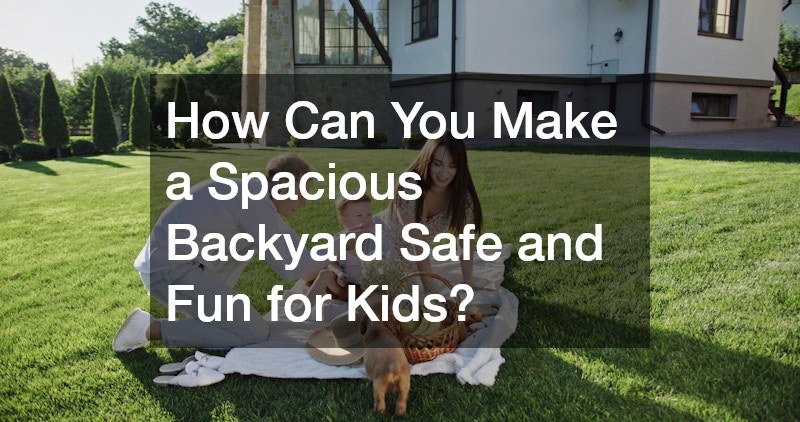

A large backyard is one of the most exciting features of a new home, but it can also be intimidating for parents. Wide-open spaces are fantastic for play, exploration, and family gatherings, but they also come with unique safety and usability challenges. From hidden hazards to difficult-to-manage landscaping, a big yard requires careful planning if you want your children to enjoy it without constant supervision.
Fortunately, with thoughtful design, smart organization, and a few strategic improvements, you can create a backyard that’s both safe and engaging for kids. This guide walks you through key steps, from play areas and fencing to lighting and entertainment zones, helping you make the most of your outdoor space while protecting your family.
A well-designed backyard balances fun, relaxation, and safety. Children thrive in environments that allow them to explore freely, climb, run, and interact with nature. At the same time, parents need reassurance that potential hazards are minimized. With proper planning, maintenance, and professional assistance where needed, even the largest outdoor spaces can become family-friendly havens.
Plan and Zone Your Backyard for Safety
One of the most important steps in making a spacious backyard kid-friendly is planning and zoning. Begin by mapping out distinct areas for different activities. Separate zones for active play, relaxation, gardening, and dining can prevent accidents and make the space easier to manage. For example, keep climbing structures and sports areas away from slopes, pools, or storage sheds. Clearly defined zones also help children understand boundaries, giving them freedom while maintaining safety.
Consider visual cues to mark pathways or areas where kids can play safely. Stepping stones, mulch borders, or decorative rocks can subtly guide children and prevent them from wandering into hazardous areas. When designing zones, think about daily routines and how the yard will be used during different seasons.
Another aspect of zoning is integrating natural barriers. Shrubs, low hedges, or flower beds can separate play areas from adult spaces or hazardous sections. This helps maintain aesthetic appeal while reinforcing safety. Regular inspections of the yard for uneven surfaces, exposed roots, or hidden debris further enhance safety. A well-planned backyard allows children to enjoy open spaces confidently, and parents can feel more relaxed knowing the yard is organized and secure.
Secure Fencing and Barriers
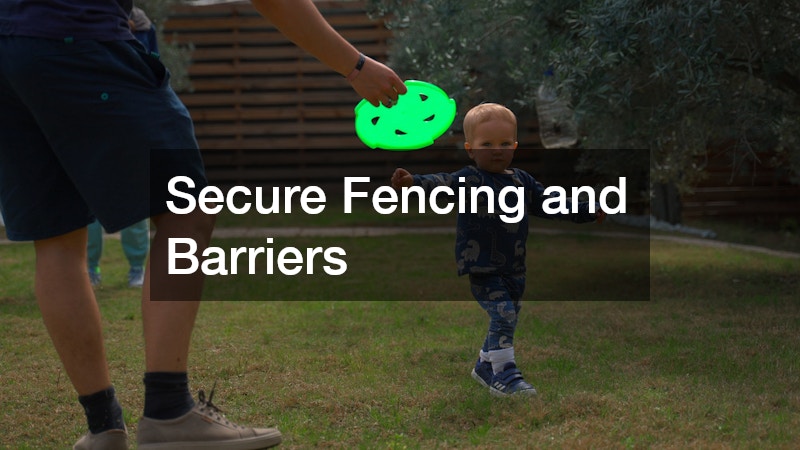
Proper fencing is critical when you have children in a large backyard. Installing a sturdy, high-quality fence ensures your kids stay within safe boundaries while giving them space to explore. Whether you choose wood, vinyl, or metal, make sure the fence is tall enough to prevent climbing and free of gaps where small children can slip through. Gates should include childproof locks or latches to restrict access to potentially dangerous areas, such as driveways or streets.
Internal barriers are also useful. Dividing a large backyard with small fences, hedges, or decorative partitions can separate active play zones from patios, garden beds, or pools. This makes the yard more organized and reduces the risk of accidents.
Maintenance is key for long-term safety. Check fences regularly for loose panels, splintered wood, rust, or weakened posts. Fence services can provide inspections, repairs, or full replacements to ensure barriers remain secure over time. Well-maintained fencing not only protects children but also offers privacy, noise reduction, and a sense of security for pets. With these measures in place, even the most expansive backyard can feel like a safe, enclosed environment for family activities.
Create Safe Play Zones
After zoning and fencing, the next step is designing safe play zones. These areas should allow children to climb, run, and explore without constant supervision, but with minimal risk of injury. Choosing the right surface is crucial—soft materials like mulch, rubber mats, or artificial turf cushion falls and prevent slips. Avoid rocks, sharp edges, or uneven terrain in high-activity zones.
Play structures should be age-appropriate and meet current safety standards. Swing sets, slides, and climbing frames require periodic checks for loose bolts, splinters, or rust. For younger children, smaller play equipment and shaded areas provide safe and comfortable spaces.
Open lawns within the play zone are ideal for sports, running games, or family picnics. Ensure grass is well-maintained, free of holes, and trimmed regularly to reduce tripping hazards. Organize toys and equipment in designated storage bins or sheds to keep the yard tidy and minimize clutter.
Safe play zones also benefit from nearby seating for supervising adults. Benches, shaded areas, or patios close to active play zones allow parents to relax while keeping an eye on children. When thoughtfully designed, play areas combine fun, safety, and practicality, giving children freedom to enjoy the backyard without unnecessary risks.
Maintain Healthy Vegetation
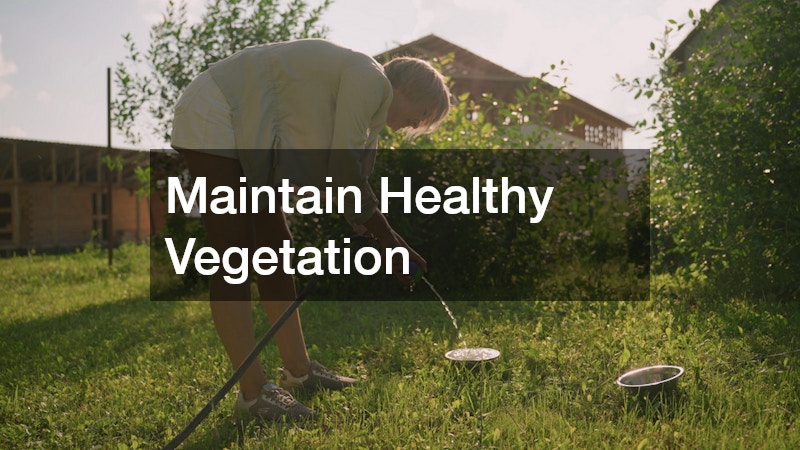
A healthy lawn is one of the simplest ways to make a backyard safe and enjoyable for children. Regular lawn care keeps grass resilient, prevents weeds, and reduces hazards like slippery patches or uneven terrain. Mowing, watering, and fertilizing should be done consistently to maintain durability, especially in high-traffic areas where children run and play.
Trees and shrubs provide shade, natural beauty, and additional play opportunities. However, they also require ongoing maintenance. Low-hanging branches should be trimmed to avoid injuries, and thorny or toxic plants must be avoided. Engaging a professional tree service ensures that pruning, removal, or disease management is performed safely.
Strategic planting can also create natural boundaries between zones. Low shrubs, hedges, or flower beds can separate active play areas from dining or gardening spaces, while adding visual appeal. Proper lawn care and vegetation management prevent accidents, encourage outdoor activity, and make the yard more inviting. Children can enjoy running barefoot, playing games, and exploring nature safely in a well-maintained yard.
Creating Spaces With Safety in Mind
Hardscaping elements—patios, walkways, and retaining walls—enhance functionality and visual appeal but can pose risks if not planned carefully. Smooth, non-slip surfaces reduce the risk of falls, and rounded edges on walls, steps, or seating prevent injuries. Avoid placing hardscaping too close to play zones to minimize collisions.
Patio contractors can design spaces suitable for family activities, including seating, dining areas, or craft zones. Beyond simply installing a flat surface, they can design areas that accommodate outdoor seating, dining, and even creative zones for children’s crafts or games. A well-designed patio can serve as a hub for family meals, weekend barbecues, or quiet evenings spent reading and relaxing outdoors. By incorporating features like built-in benches, shaded pergolas, or multi-level layouts, patio contractors create functional spaces that balance safety and usability.
Careful consideration of hardscaping placement balances aesthetics, safety, and usability. Retaining wall contractors can create stable, secure walls that prevent erosion or accidental falls, while complementing the overall yard design. In large yards, retaining walls are particularly valuable for leveling uneven terrain, preventing soil erosion, and creating safe play areas for children. By stabilizing slopes and steep sections, these walls reduce the risk of accidental falls or injuries, making the backyard safer for active kids and pets.
Using soft transitions between play areas and hardscaped spaces improves safety. For example, a small strip of grass or mulch between a patio and an open lawn can act as a buffer. Well-planned hardscaping ensures children have room to run and explore without unnecessary hazards, while creating comfortable and functional areas for adults to relax and entertain.
Landscape Lighting for Safety and Ambiance
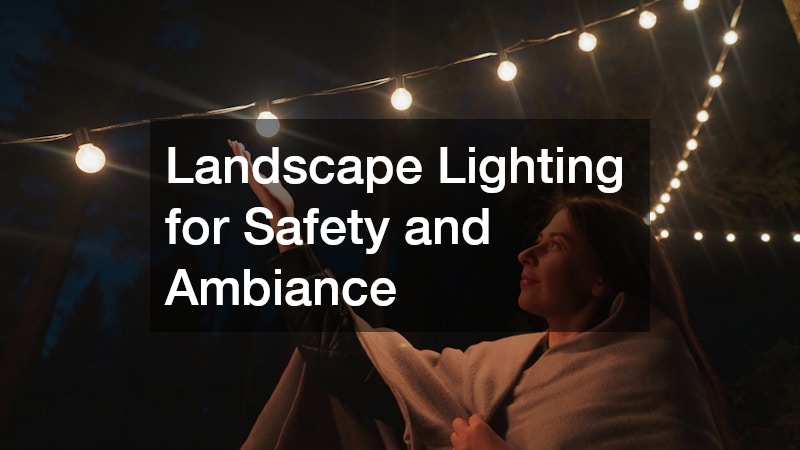
Landscape lighting is a practical and aesthetic addition to any large backyard. Properly placed lights illuminate pathways, play areas, and patios, reducing the risk of accidents after dark. Motion-sensor lighting provides an added layer of security, alerting parents to movement in restricted zones like pools or sheds.
Soft, diffused lights along walkways or near seating areas create a warm, inviting ambiance without overwhelming brightness. Solar-powered lighting is an energy-efficient solution that requires minimal installation. Proper lighting extends usable hours for family activities, such as evening games, barbecues, or storytelling around a fire pit, while maintaining safety.
Strategic lighting also highlights boundaries and potential hazards. For example, illuminating steps, retaining walls, or garden edges ensures children can navigate the yard confidently. Thoughtful landscape lighting blends functionality with aesthetics, allowing the yard to remain safe, welcoming, and usable long after the sun sets.
Pools and Water Safety
For families with pools, safety must be a top priority. Installing barriers like fences with self-latching gates ensures children cannot access water unsupervised. Local pool companies can advise on pool covers, alarms, and fencing options tailored to your space and family needs.
Surrounding surfaces should be non-slip, and life-saving equipment should be easily accessible. Even in large backyards, pools can coexist with other play areas if properly zoned. Separate active play zones from the pool area to reduce accidental falls. Teaching children water safety skills, including swimming basics and safe behavior near water, further reduces risk.
Regular pool maintenance and inspections prevent hidden hazards, such as sharp edges or loose tiles. Combining structural safety measures with attentive supervision allows children to enjoy pools safely while letting parents relax. With the right precautions, a pool can become a fun and safe backyard highlight for the whole family.
Outdoor Storage and Organization
Large backyards often come with the challenge of keeping toys, sports equipment, garden tools, and other outdoor items organized and out of the way. Establishing dedicated storage solutions not only keeps the yard tidy but also reduces potential hazards for children. For example, a well-placed shed, storage bench, or deck box can safely house balls, bikes, garden tools, and seasonal play equipment. Using labeled bins and shelving inside the storage area helps kids learn to put items away properly, reducing trips and falls caused by scattered toys.
In addition to safety, proper organization makes it easier for parents to manage backyard activities. Items needed for games, crafts, or gardening are always accessible, while hazardous materials like fertilizers, mulch, or heavy tools are stored securely out of reach. Landscaping supplies can also be organized to prevent clutter near active play areas. By planning storage thoughtfully, you transform a large backyard from a potentially chaotic space into a well-structured, kid-friendly environment that encourages safe play and family enjoyment.
Outdoor Cleaning and Power Washing
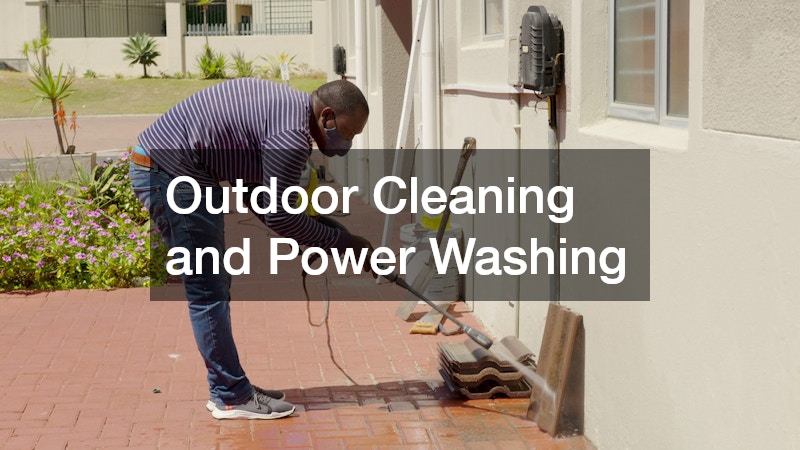
Routine cleaning is an essential part of maintaining both safety and comfort in large backyards. Over time, decks, patios, walkways, and other outdoor surfaces accumulate dirt, moss, algae, and debris, which can create slippery conditions and increase the risk of falls. Regular power washing removes these hazards, ensuring children can run, play, and explore freely without unnecessary risk. In addition to safety, a clean backyard promotes better hygiene by eliminating mold, mildew, and allergens that may build up on surfaces, particularly in shaded or damp areas.
When performing outdoor cleaning, always use child-safe products, avoiding harsh chemicals that could irritate skin or eyes. Supervise children closely or schedule maintenance while they are indoors to prevent accidents. Break down larger cleaning tasks into manageable sessions, addressing high-traffic areas like playground zones, patios, and pathways first. Doing so ensures that the most-used spaces remain safe and accessible at all times.
Regular power washing also protects the materials in your backyard. Wood decks, stone patios, concrete walkways, and composite surfaces can deteriorate faster if algae, dirt, and grime are allowed to accumulate. Cleaning extends the lifespan of these surfaces and preserves their aesthetic appeal, preventing costly repairs or replacements. Additionally, clean outdoor areas create a more inviting environment for family gatherings, weekend barbecues, and spontaneous playtime.
Incorporating Trees and Shade
Large backyards benefit immensely from natural shade, which not only makes the space more comfortable but also plays a crucial role in protecting children from prolonged sun exposure. Excessive sunlight can lead to sunburn, dehydration, and heat-related fatigue, especially during the warmer months when kids spend hours playing outdoors. By incorporating trees strategically throughout your yard, you create cooler microclimates where children can run, play, and relax safely. Trees also add aesthetic value, making your backyard feel more inviting and visually appealing. Beyond cooling, mature trees can serve as natural focal points for your landscaping, helping define play zones, seating areas, and garden beds.
Trees also provide wonderful opportunities for imaginative and physical play. Children can climb sturdy branches, build tree forts, or create shaded reading nooks beneath wide canopies. To ensure safety and longevity, it’s wise to consult a professional tree service when selecting species. They can recommend trees that are suitable for your soil type, climate, and available space, while also considering maintenance requirements and potential hazards. Low-maintenance varieties that are disease-resistant, slow-growing, and non-toxic are often the best choice for family backyards.
A spacious backyard offers endless possibilities for fun, exploration, and family bonding. By carefully zoning your yard, installing proper fencing, creating safe play areas, and maintaining lawns and vegetation, you can turn a large outdoor space into a haven for children. Strategic hardscaping, landscape lighting, and professional services such as patio contractors, retaining wall contractors, fence services, and tree service help balance safety, aesthetics, and functionality.